

Varicose veins are common, but there is still a lot of misinformation about what causes them. Below, we address seven common myths and explain the medical facts behind varicose vein development.
Varicose veins are caused by weakened vein valves and venous reflux, not everyday habits like crossing your legs or exercising. Genetics, hormonal changes, pregnancy, age, and prolonged standing are the most common contributing factors, while many popular beliefs about their causes are myths.
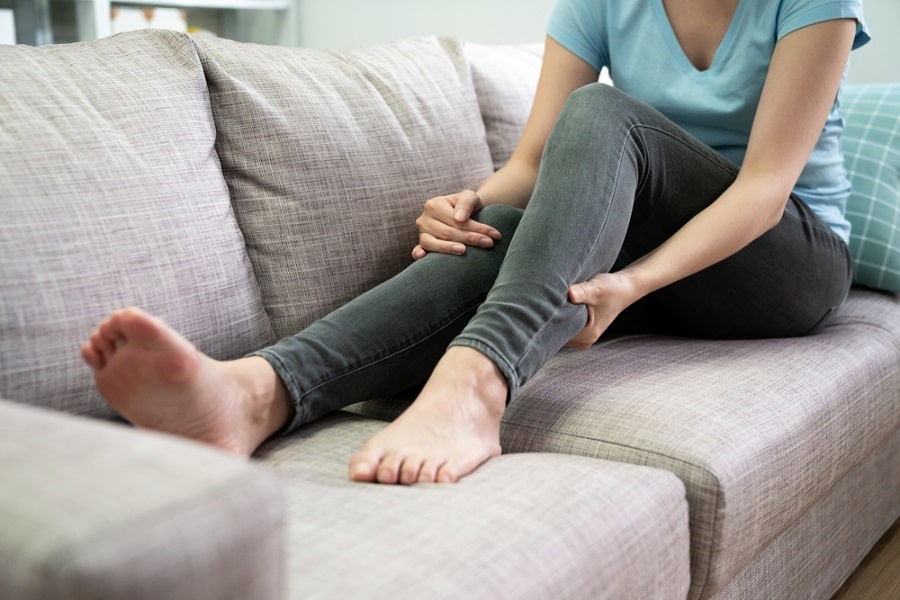
Myth 1: Varicose veins are caused by crossing your legs
Fact:
Crossing your legs does not cause varicose veins.
Varicose veins develop when the valves inside veins weaken, allowing blood to pool. Sitting with crossed legs may temporarily affect circulation, but it does not damage vein valves or cause varicose veins. Genetics and vein health play a far greater role.
Myth 2: Varicose veins are only a cosmetic issue
Fact:
Varicose veins are often a medical condition, not just a cosmetic concern.
While some varicose veins cause no symptoms, many people experience aching, heaviness, swelling, skin irritation, or night cramps. Left untreated, varicose veins can sometimes lead to complications such as skin changes, venous eczema, or ulcers.
Myth 3: Only older people get varicose veins
Fact:
Varicose veins can develop at any adult age.
Although the risk increases with age, varicose veins commonly appear in younger adults, particularly those with a family history, pregnancy, or occupations involving prolonged standing or sitting. Age is a factor, but not the sole cause.
Myth 4: Varicose veins are caused by poor circulation
Fact:
Varicose veins are caused by faulty vein valves, not poor circulation overall.
In varicose veins, blood circulates but flows in the wrong direction due to weakened valves. This condition is known as venous reflux. Arterial circulation is usually normal, which is why many people with varicose veins are otherwise healthy.
Myth 5: Exercise causes varicose veins
Fact:
Exercise does not cause varicose veins, it usually helps prevent them.
Low-impact activities like walking, swimming, and cycling improve calf muscle function and support healthy blood flow. High-impact exercise does not cause varicose veins, although existing veins may become more noticeable during physical activity.
Myth 6: Pregnancy permanently causes varicose veins
Fact:
Pregnancy can trigger varicose veins, but they do not always remain permanently.
Hormonal changes, increased blood volume, and pressure from the growing uterus can contribute to vein changes during pregnancy. In many cases, pregnancy-related varicose veins improve after childbirth, although some may persist, especially if there is an underlying genetic tendency.
Myth 7: Varicose veins are caused by being overweight alone
Fact:
Excess weight can increase risk, but it is not the sole cause.
Being overweight increases pressure on leg veins, which can worsen symptoms. However, many people with a healthy weight develop varicose veins due to genetics, pregnancy, or valve weakness. Weight is a contributing factor, not a direct cause.
What Actually Causes Varicose Veins?
The most common contributing factors include:
- Genetics (family history)
- Weak or damaged vein valves
- Hormonal changes
- Pregnancy
- Prolonged standing or sitting
- Age
Most people develop varicose veins due to a combination of factors, rather than a single cause.
When to See a Vein Specialist
If varicose veins are causing discomfort, swelling, skin changes, or affecting your quality of life, a medical assessment is recommended. A vein ultrasound can identify venous reflux and help determine whether treatment is appropriate.
Bottom Line
Varicose veins are caused by vein valve dysfunction, often influenced by genetics and lifestyle factors. Understanding the facts can help you make informed decisions about prevention, monitoring, and treatment.
FAQ:
- Can varicose veins be prevented?
Varicose veins cannot always be fully prevented, particularly if there is a genetic predisposition. However, maintaining regular physical activity, avoiding prolonged standing or sitting, managing weight, and wearing compression stockings when recommended can help reduce symptoms and slow progression. - Are varicose veins hereditary?
Yes. Varicose veins are strongly influenced by genetics. If one or both parents have varicose veins, the likelihood of developing them is significantly higher due to inherited weakness in vein walls or valves. - Do compression stockings prevent varicose veins?
Compression stockings do not prevent varicose veins from forming, but they can help improve circulation, reduce leg swelling, and relieve symptoms. They are often used to manage discomfort or slow symptom progression rather than as a permanent preventative solution.
At The Vein Institute, we offer the latest treatment including sclerotherapy, endovenous laser ablation and medical superglue. Take a look at our positive outcomes to see the results of the different treatment plans.
Call us on 0420 102 637, or fill out our booking request form.

