

Varicose vein treatments have come a long way from the days when extended downtime was the norm. Today, minimally invasive options like endovenous laser ablation (EVLA), radiofrequency ablation (RFA), and sclerotherapy allow for faster recovery and a quicker return to normal activities. But that doesn’t mean you should jump right back into high-intensity workouts the day after treatment.
In fact, the way you exercise after varicose vein treatment can affect your healing process, comfort, and long-term results. Let’s go through what you should and shouldn’t do when exercising after varicose vein treatment, so you can get back to your routine safely.
Why should you exercise after varicose vein treatment?
Exercise plays a key role in maintaining healthy circulation — especially after vein treatment. Essentially, your leg muscles act like a pump, helping blood return to the heart and preventing it from pooling in the veins.
The post-treatment benefits of light, appropriate exercise include:
- Improved blood flow to prevent clot formation.
- Reduced swelling and stiffness in the treated area.
- Faster healing thanks to better oxygen delivery to tissues.
- Long-term vein health is achieved by strengthening the muscle pump.
Lower leg exercises, in particular, can promote healthy vein function post-treatment.
However, there’s a fine balance between encouraging blood flow and overloading healing tissues. That’s why knowing the dos and don’ts is essential.
The Dos: safe and beneficial post-treatment activities
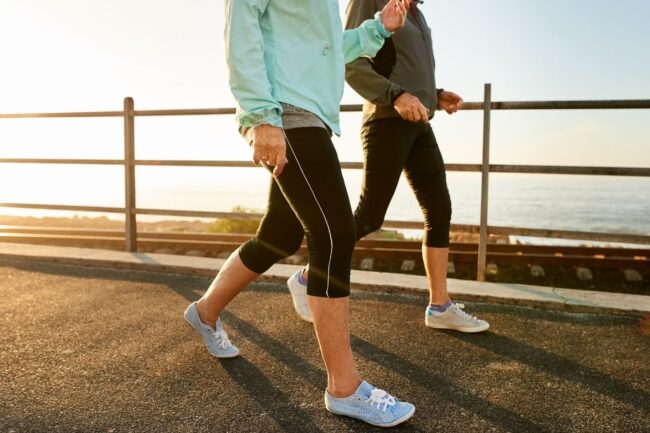
1. Do start walking early
Walk for 30 minutes immediately after treatment (as advised by your doctor). It’s gentle, promotes circulation, and helps prevent blood clots. Following your treatment, keep walking for 30 minutes a day, every day, for around 2 weeks.
2. Do wear your compression stockings
Per guidelines set out by the American Venous Forum, Society for Vascular Surgery, American College of Phlebology, Society for Vascular Medicine, and International Union of Phlebology, you should wear compression after vein treatment – especially following ablation procedures like EVLA and RFA.
These special stockings support your veins, reduce swelling, and improve blood flow during activity. Wear them during waking hours for the time recommended by your vein doctor (often 3 days to 2 weeks).
3. Do keep your exercises after varicose vein treatment low-impact
Early in recovery, stick to gentle exercises like:
- Walking
- Stationary cycling
- Light stretching
Gentle yoga (avoiding inversions or deep bends)
These activities keep your blood moving without straining healing veins.
4. Do listen to your body
Some mild discomfort, tightness, or bruising is normal, but sharp pain or swelling means you should stop and rest. Recovery isn’t a race — increase your activity level gradually.
5. Do stay hydrated
Proper hydration helps maintain healthy blood viscosity and supports healing. Pair your workouts with adequate water intake to prevent muscle cramps and aid circulation.
The Don’ts: activities to avoid in early varicose vein treatment recovery
1. Don’t jump into high-impact exercise
Activities like running, jumping, or HIIT training can increase pressure in your veins and cause discomfort or bruising. Wait until your doctor clears you — usually a few days to a week, depending on the treatment.
2. Don’t lift heavy weights too soon
Heavy lifting increases intra-abdominal pressure, which in turn raises pressure in leg veins. If you strength train, start with light weights and more repetitions, and avoid straining. Most doctors recommend waiting at least 1–2 weeks before resuming moderate lifting.
Learn more: The Best Exercises for Varicose Veins | The Vein Institute
3. Don’t sit or stand too long without moving
Avoid staying still for long periods — it slows blood flow and can cause swelling. Set a timer to move around every 30–60 minutes. If you need to sit, elevate your legs so your feet are at least at hip height, but preferably above heart height, to aid venous return.
4. Don’t forget your doctor’s advice
Your provider will tailor advice to your specific treatment and health status. Ignoring compression stocking guidelines or exercise clearance timelines can slow healing or compromise results.
5. Don’t push through the pain
Mild soreness is common, but intense pain, heat, or redness in the treated area may indicate a complication. If such symptoms worsen during exercise, stop immediately and contact your doctor.
Exercising after varicose vein treatment: week-by-week general timeline
Note: Always confirm with your treating vein doctor before starting or progressing your exercise program.
Week 1:
- Walking for 30 minutes a day.
- Gentle stretching, calf raises, and ankle circles.
- No heavy lifting, high-impact sports, or deep bending.
Week 2:
- Gradually increase walking distance.
- Stationary cycling or gentle yoga.
- Light bodyweight exercises.
Week 3+:
If cleared by your doctor, begin reintroducing higher-intensity exercises. However, you should start slow and monitor your body’s response.
Long-term exercise tips for vein health
Once you’re fully recovered, exercise remains one of the most effective tools for maintaining vein health and preventing recurrence.
- Prioritise leg-strengthening activities — calf raises, cycling, brisk walking.
- Mix cardio and strength training for balanced circulation and muscle support.
- Stay consistent — sporadic exercise won’t provide the same benefits as a regular routine.
- Maintain a healthy weight to reduce pressure on your veins.
- Continue wearing compression stockings for long flights or prolonged standing.
Seek specialist advice
Contact your doctor if you experience severe pain or swelling, significant redness or warmth over the treated area, fever or chills, or Sudden shortness of breath (call emergency services immediately). These are extremely rare, but could be signs of complications such as infection or deep vein thrombosis (DVT).
If you have any further questions, don’t hesitate to contact our team on 0420 102 637.
Additionally, if you’d like to learn more about vein treatment recovery, you can do so here Recovery Process After Treatment | The Vein Institute